If you've booked a dance shoot and you're hoping to capture artful images, I have something I need to confess. Dance shoots are hard. They are incredibly fun and great experience, but they are hard. While dancers of all skill levels can absolutely participate in a photoshoot, it's important to know that even professional dancers find the process both physically and emotionally demanding. The most experienced dancer and model has had many failed poses, injuries on set, creative blocks, and confidence-killing moments. Fortunately, with a little preparation, you can set yourself up to get the very most out of your time.
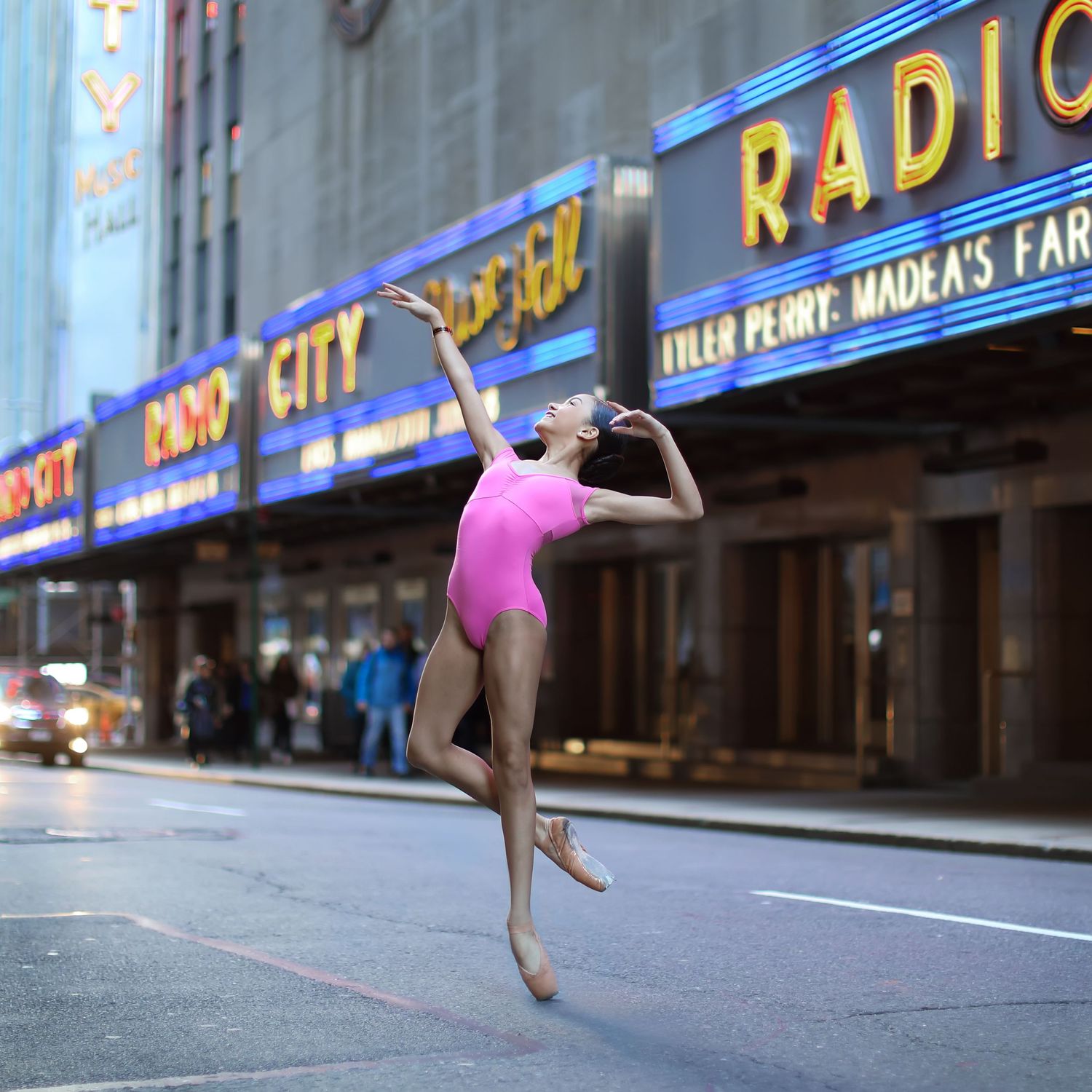
First, set some goals.
What kind of images are you hoping to capture: creative images to share on social media, audition photos, headshots or all of the above? Depending on how much time you've booked, you may need to narrow your focus. Talk to your photographer about what you're hoping to achieve and get their input on whether or not you're biting off more than you can chew. Some photographers will do a dancer session or a headshot session, but not both in one. I typically do them separately, though they can be on the same day; people often underestimate how long it takes to get a great headshot so we'll need to make sure we have enough time.
Choose your wardrobe.
Once you know what kind of images you want to create, choose pieces that you feel great in and that fit your artistic vision. I tell dancers to grab favorite dancewear that they feel great in, but to also plan on bringing a variety of other items to lend texture and interest to your images. I love jeans over leos, sweaters and warmups mixed in, tights both full-length and cut, fishnets, tutus, random jackets, and any fashion/streetwear you can incorporate. Don't be afraid to pull together completely pedestrian looks! Personally, I find an unexpected look more interesting to shoot and can help you create a more compelling image.
A note about pointe shoes:
Ballet dancers are among my favorite to shoot, and photos of accomplished dancers on pointe are some of the most beautiful. However, before you rush to pack your Nikolai 2007s, think hard about whether or not you can execute the poses you have in mind. Consider your level of expertise, and if you're new to pointe, settle on poses that are very, very simple and make you look beautiful. I will not shoot beginners on pointe in anything but the simplest of poses for two reasons: I want you to look stunning and technically sound, and I don't want you getting hurt. Keep it simple...trust me.
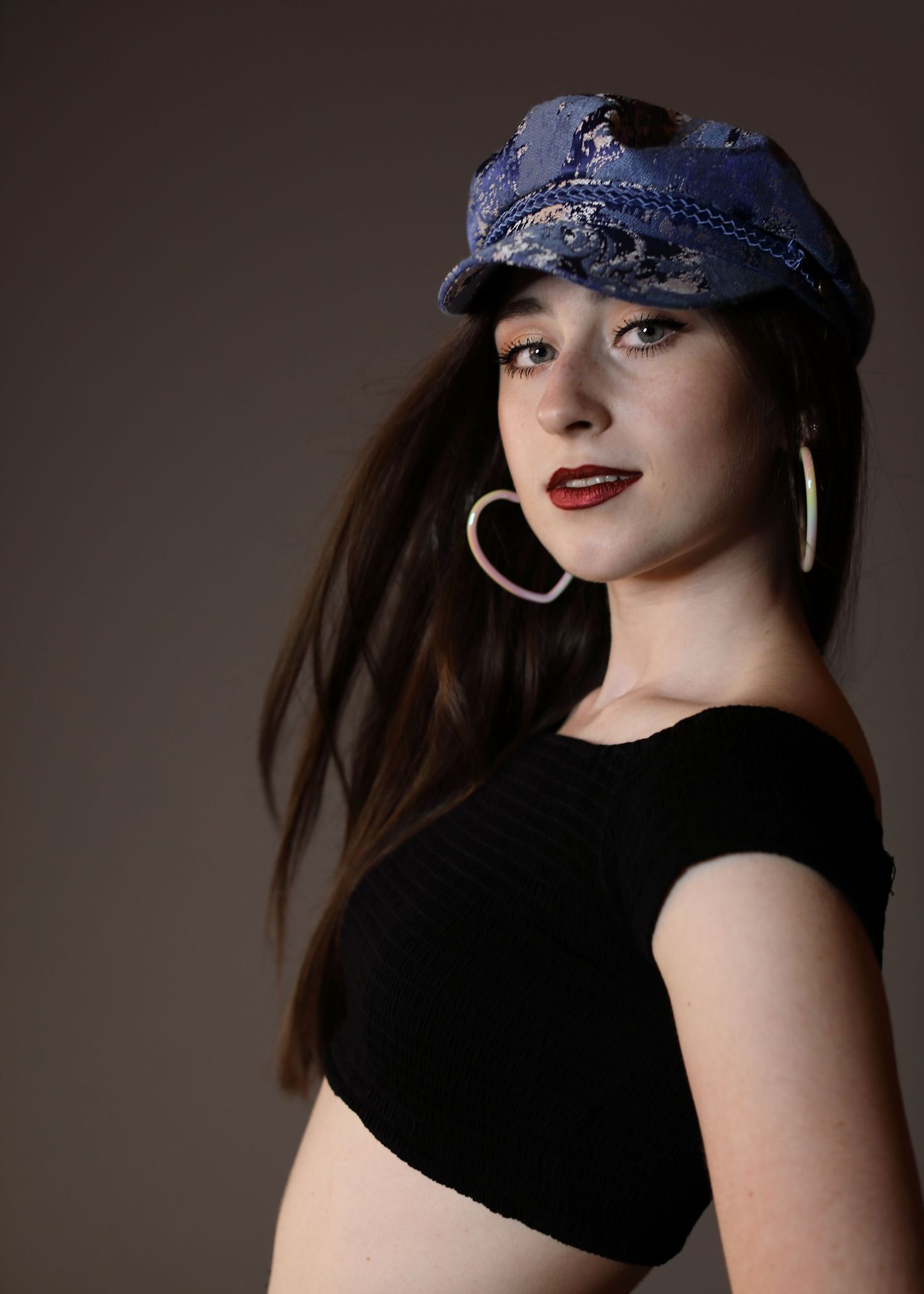
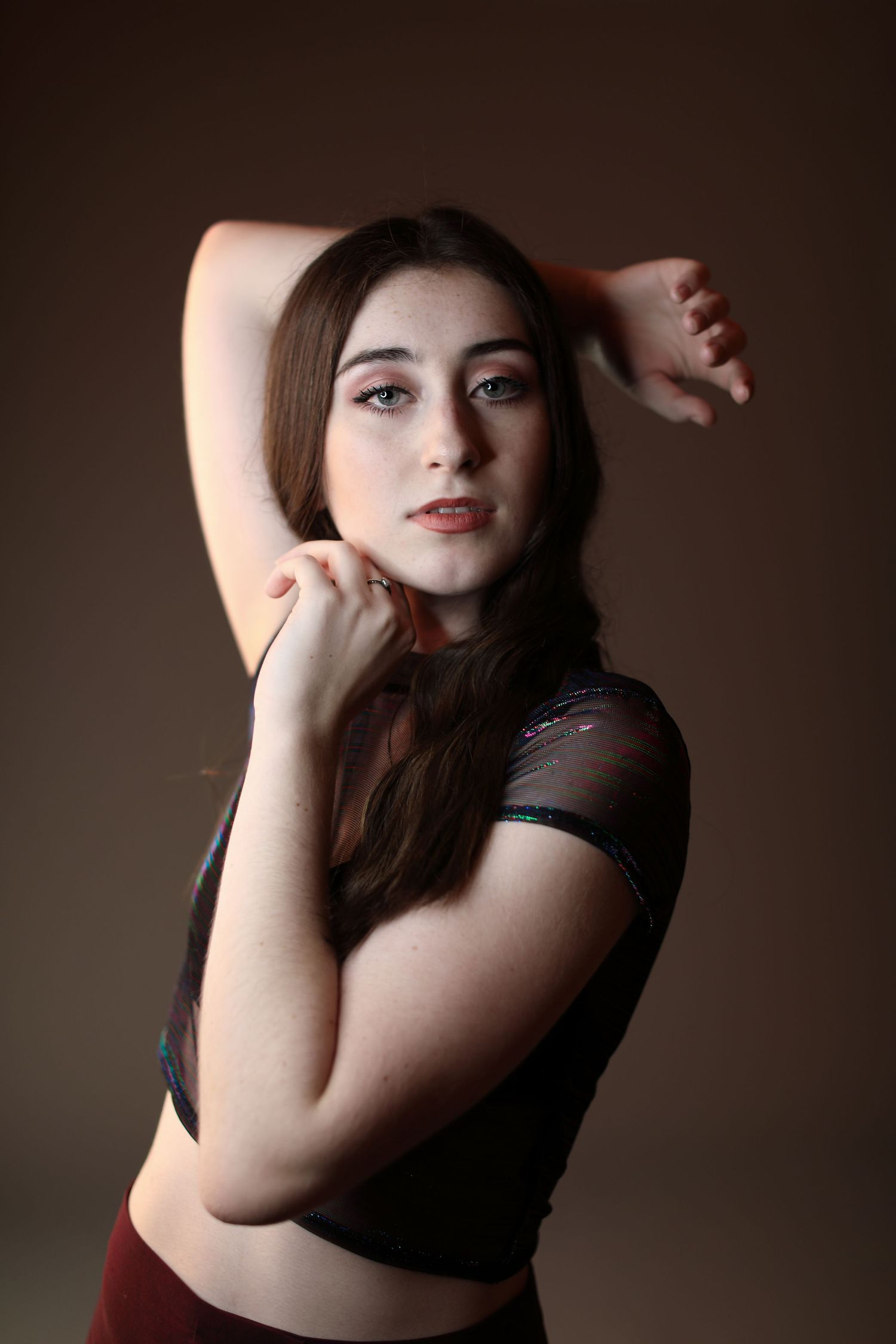
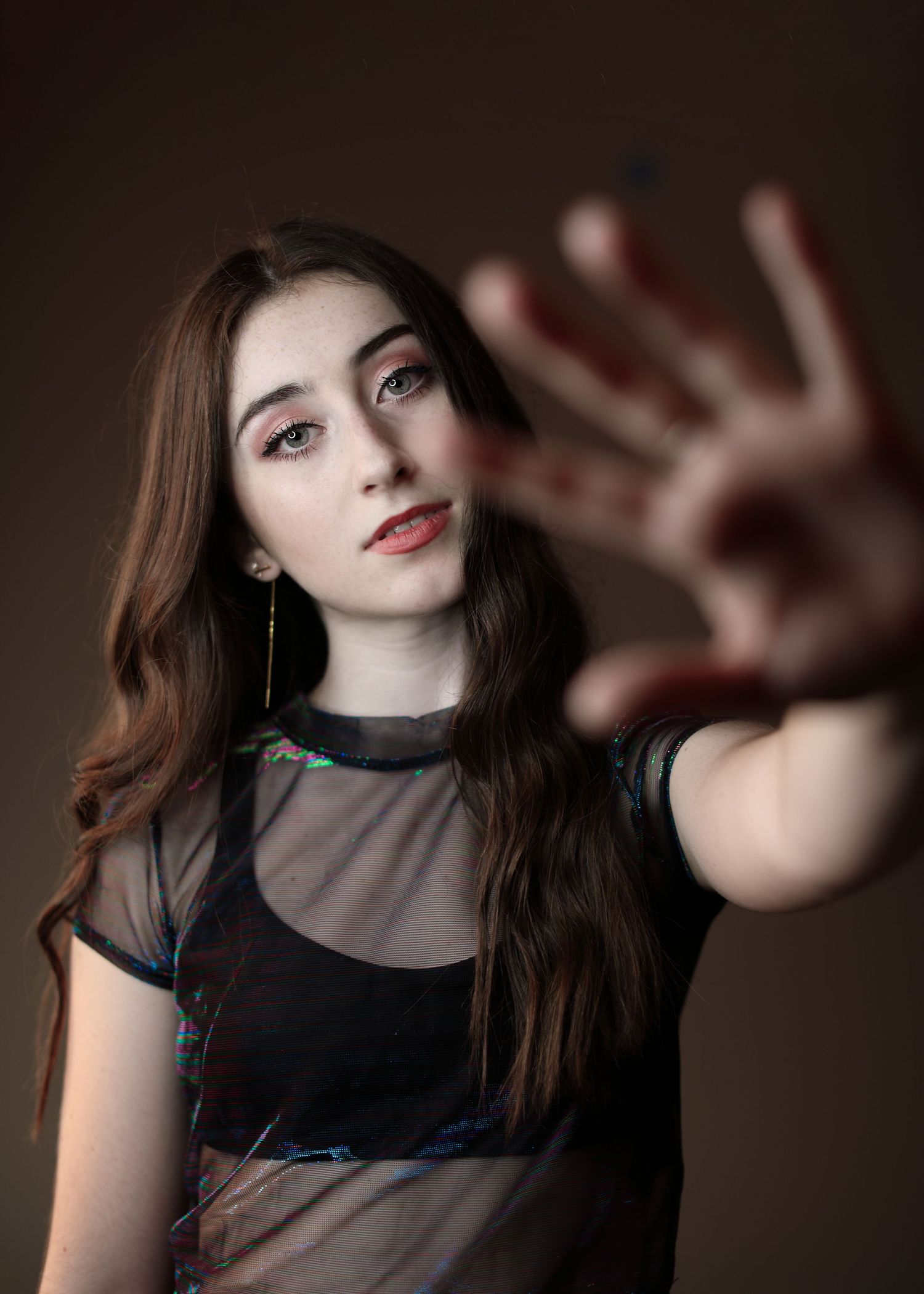
Before the shoot:
I can't stress this enough: the most successful dancer sessions are ones where the dancer has a realistic understanding of what they can accomplish and has planned and practiced poses in advance. Create a board on Pinterest or a saved album on Instagram of poses that you are inspired by, and make sure you practice them. Practice in front of a mirror, or have a friend take shots on a phone that you can then critique. Avoid the "Instagram vs. Reality" conundrum by figuring out what actually looks great on your body, not the girl you whose page you were stalking. Don't let it discourage you if a pose you love doesn't work. Keep trying new things! Often, one pose idea will lead you to something completely fresh, so be open to trying something you haven't before and get as creative and weird as possible!
The night before, make sure the following is in your emergency bag: snacks, baby wipes, hair spray, bobby pins, makeup for touch ups, water, and duck tape. Pack an old sheet or blanket for quick changes on the street. Your photographer should have many of these items, but don't rely on that. Be prepared!
Day of the shoot:
Arrive a minimum of 45 minutes early in full hair and makeup, having had a light, nutritious meal before leaving the house. Do not eat heavily or eat foods that make you bloated. Consider forgoing that morning coffee, as you'll want to avoid the need for a restroom visit. Every minute is precious during a shoot!
Once you arrive on set, take the time to thoroughly stretch after you've warmed up. This will make all those creative poses you've come up with far more likely to be successful and help you avoid injury. If shooting outdoors, look around and identify trouble spots on the ground you'll need to avoid, such as holes, rocks and even bits of trash you could slip on.
Once it's time to shoot, enjoy the experience! Don't take yourself too seriously or allow a failed pose to mean anything about how talented you are or aren't, and remember that every single dancer has unflattering angles. It's our job to work together to find how you look and feel most beautiful. Let's go!